
The Human Edge: Bringing People, Purpose, and Connection to the Future of Work
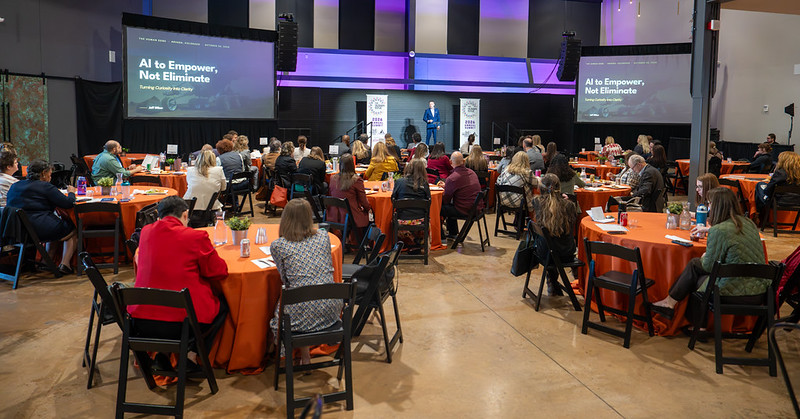
As artificial intelligence continues to reshape the workplace, business professionals gathered in Arvada to explore what makes organizations truly successful: their people.
On October 20, the Greater Arvada Chamber of Commerce co-hosted the Human Edge Summit with Colorado Inclusive Economy (CIE). This Summit highlighted the importance of maintaining human connection in the age of AI, and how to use AI as a tool to enhance employee and customer experience, not replace face-to-face interactions.
Tapping into the theme Growth Powered by People in the AI Era, the summit explored how organizations can utilize new technologies while continuing to invest in the people, relationships, and workplace cultures that drive lasting success.
As artificial intelligence solidifies its place in business operations, organizations face an important question: How can technology advance the workplace without losing the human connection that makes it successful?
Throughout the day, six leaders from prominent employers across the Denver metro area shared their experiences, perspectives, and strategies for maintaining the Human Edge within their organizations.
Leadership, Connection, and the Future of Work
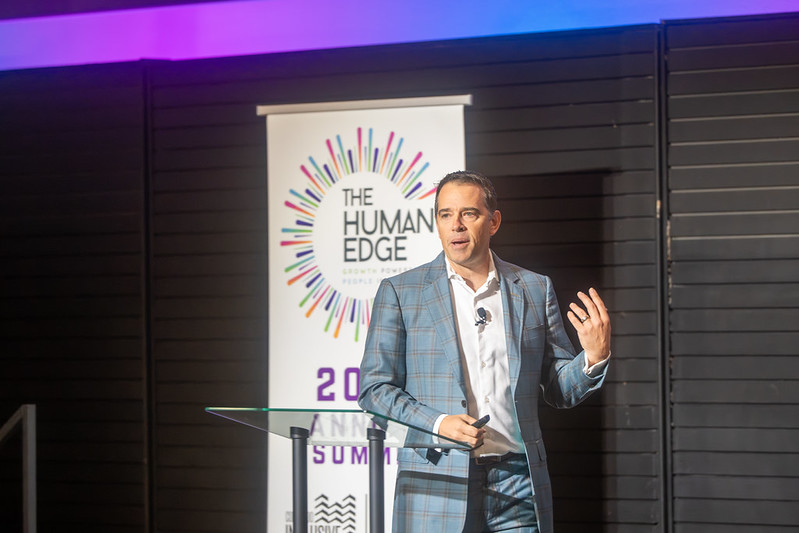
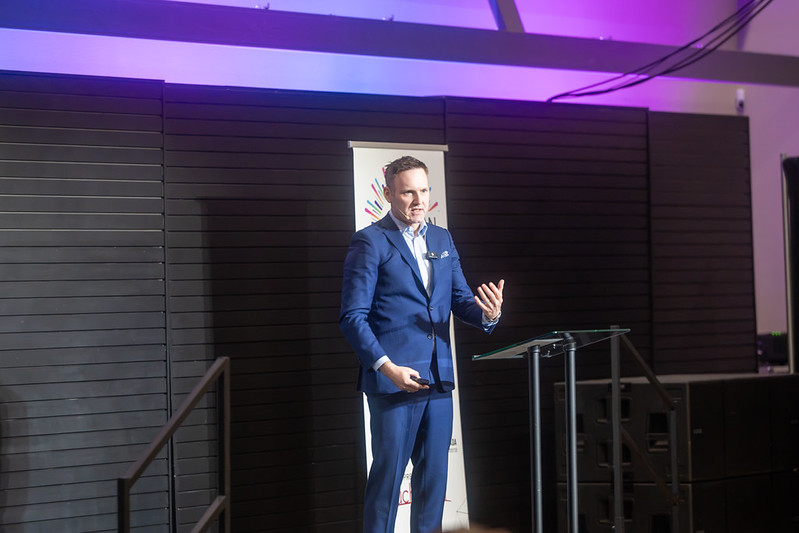
Anthony Lambatos, Co-owner and CEO of Footers Catering, Social Capitol Events, and MIBE, kicked off the speaker sessions with The Heart of a Leader: How Leaders Build Great Places to Work. Building upon his personal experience of seeing the culture that his father created in his business, Anthony detailed his approach to creating an environment in which employees feel empowered to thrive.
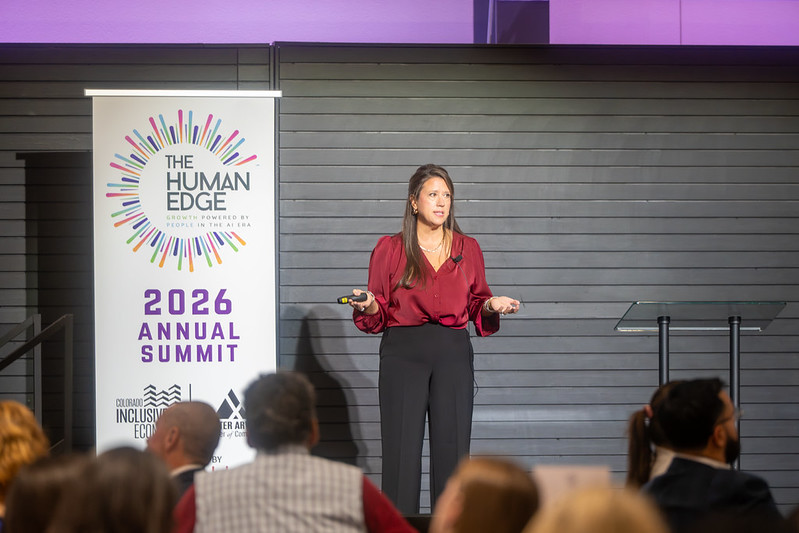
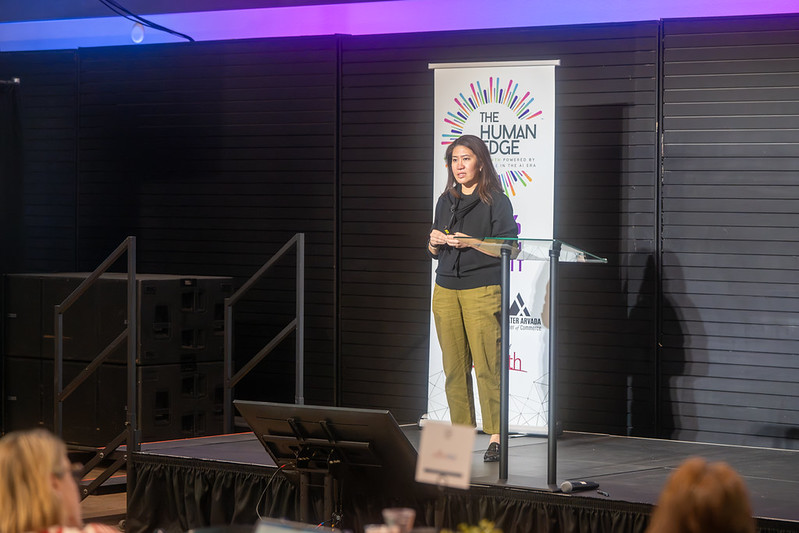
Next on stage was Melissa McDonald, Director of Talent Management and Inclusion at UCHealth. Her session, The Power of Human Connection: From Culture to Action to What’s Next, explored how AI can be used efficiently to enhance employee experiences. However, though these technological advances have proven to be in UCHealth’s organization, Melissa acknowledgedthat they are not a replacement for human connection. Prioritizing leadership development, inclusion, and connection is still of immense importance.
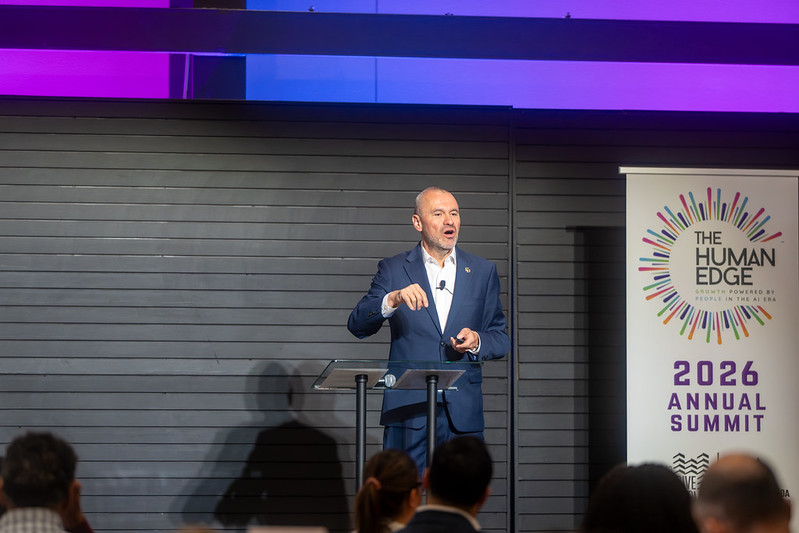
Kenneth T. Christensen, Ph.D., chancellor of the University of Colorado Denver, shared the role of the university as an anchor institution in the Denver metro area. His discussion explored the relationship between higher education, employers, and community partners in developing the workforce and supporting regional economic growth.
Keynote Speaker, Jeff Wilser, brought his AI expertise to the stage as the afternoon continued. He is no stranger to AI, as a keynote speaker, AI strategist, and host of the AI Curious podcast. During his presentation, Wilser challenged leaders to think about artificial intelligence as an opportunity to build on human capabilities, rather than replacing existing roles. He emphasized the importance of curiosity and helping employees adapt as technology continues to evolve.
Lia Lincoln-Smith, Vice President of Talent Strategy at Vail Resorts, discussed the relationship between leadership, technology, and creating exceptional guest experiences. Emerging technologies have created an environment where guest experiences can be tailored to each guest based on preferences and past experiences.
The day wrapped with a session from Greg Garrett, Director of Inclusion and Belonging at Ardent Mills. His session explored his organization’s approach to creating a culture of inclusion. A panel of Ardent Mills employees from various employee resource groups (ERGs) shared their experience with their respective groups and how the ERGs have shaped their experience at the company.

Keeping People at the Center of Innovation
As businesses navigate a world that is increasingly driven by AI, it is important for leaders to recognize that technology is not a replacement for talent. Instead, companies must learn to utilize tools to enhance their operations, not overhaul them.
The companies that will succeed long-term are those that continue to prioritize employee development, meaningful workplace relationships, and inclusivity. When employees feel respected, represented, and empowered to contribute, businesses can create environments where individuals and organizations have the opportunity to thrive.
The Human Edge Summit encouraged attendees to look beyond the immediate possibilities of artificial intelligence and consider the broader impact of technology on their employees, customers, and communities. The future of business will require organizations to balance innovation with intentional leadership, technological advancement with human connection, and organizational growth with a commitment to helping people succeed.
Thank you to our sponsors, the speakers, and everyone who joined us for The Human Edge Summit!



0 Comments